Table Of Content

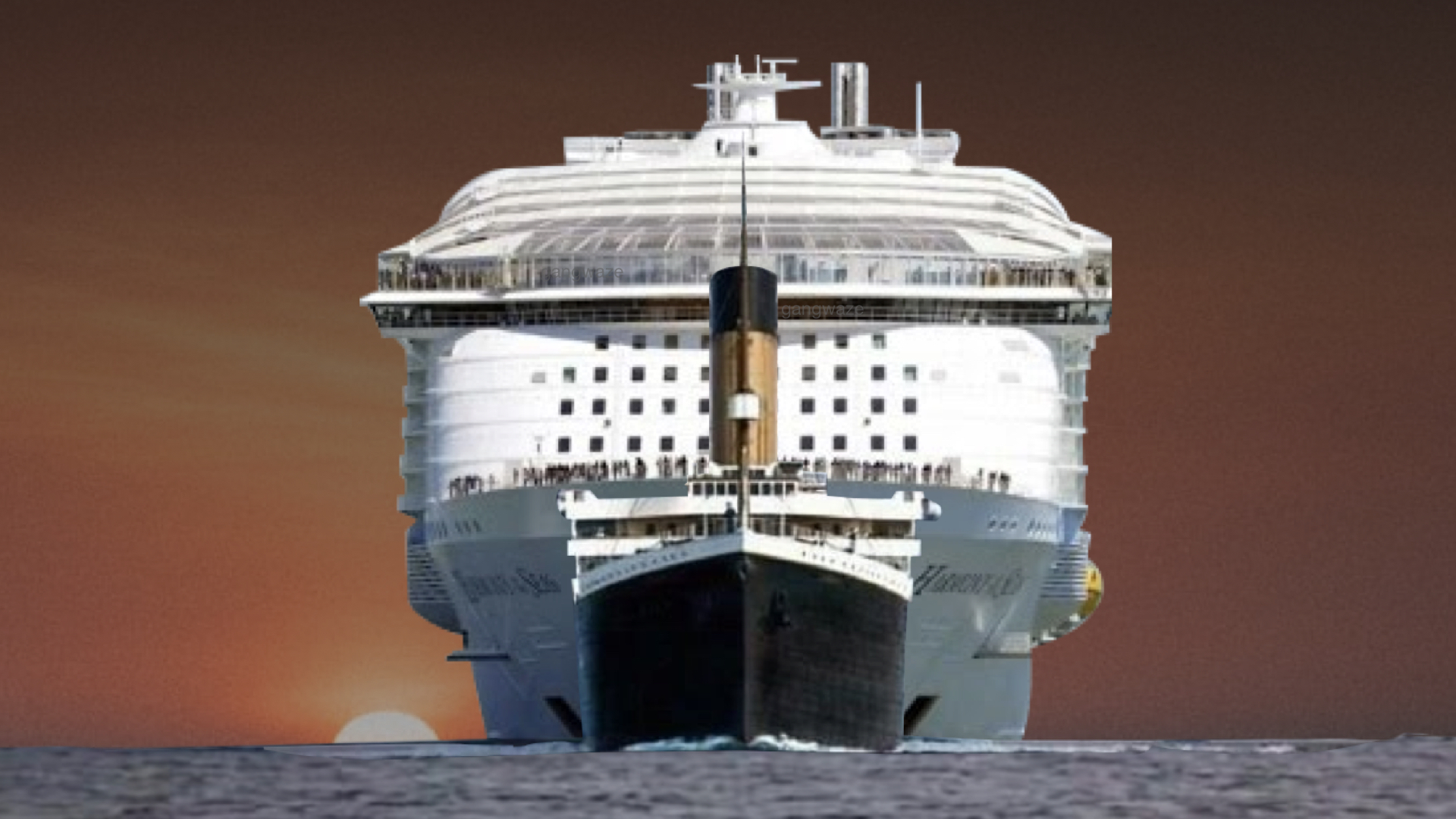
Ocean liners are constructed with higher-strength materials, a robust hull, and a narrower build, allowing them to withstand rough open ocean conditions. They sit lower in the water and have a long, pointed bow for cutting through waves and sailing faster. Bows on these ships are tapered and long, allowing them to cut through waves.
Which cruise line offers a cruise on an ocean liner?
A ship takes you from place to place, and you’ll wake most mornings in a new destination to discover. When paired with luxury surroundings and superb service, perhaps it’s no surprise that the popularity of cruise holidays is booming. The routes of these ships are very long and through the deep sea and oceans. Cruise ships are mainly travelling for the luxury and pleasure of the people. These kinds of ships carry people from one port to another and also stay near the coasts.

Q7: Can I Stay Connected with Family While Cruising?
Despite this, the Titanic’s compartments were open at the top, which allowed water from the breached compartments to spill over into others as the ship tilted. Browse Good Housekeeping Holidays' selection of river and ocean cruises for 2023 and 2024. Ocean liners with a dozen or more decks offer sweeping panoramas from large observation decks. If you going an ocean-going voyage, if budget allows, an outside or balcony staterooms offer a private viewing of the scenery. And it's rather lovely having your own patch of the ship for your morning coffee in the fresh air with a view of whatever destination you've arrived at overnight.
Builders and shipping companies
Modern cruise ships are designed to cruise relatively close to the shore between ports of call. In contrast, an ocean liner’s sleek design, robust hull, pointed bow, and high freeboard are designed to transport passengers over the high ocean waves, especially in bad weather and rough seas. Once the pinnacle of sea travel, ocean liners were the ocean’s giants. Modern cruise ships are more like a floating mega-resort than a luxurious getaway. But cruise ships have become the preferred choice for leisure voyages, with over 30 million passengers yearly.
While capable of traveling long distances, a cruise ship’s itinerary allows for slower speeds, which enhance passenger comfort and also result in better fuel economy. The cruise line industry discovered the opportunity to increase its revenue by charging for repositioning cruises. This forced them to make experiences onboard more pleasant in poor weather. As the discussion involves ocean liners, mentioning Cunard Lines is imperative. This British company has a glorious history and legacy attached to ocean liners. Although known as a cruise line today, Cunard historically has pioneered the ocean liner business, having over 180 years of history dating back to 1840 and having owned hundreds of ocean liners.
Disadvantages of Cruise Ships
Ocean liners are no stranger to rough seas, so their lifeboats need protection from the elements – waves, wind, and rain. Ocean liner lifeboats are positioned inboard near the top decks of the vessel. The bridge on an ocean liner is higher up, typically on the topmost deck. This position provides the bridge crew with a good view for navigation, but it also protects the bridge from large waves in bad weather.
In contrast, modern cruise ships, while built for luxury and comfort, also have impressive speeds but prioritize a balance of efficiency and passenger experience over just speed. For instance, the Wonder of the Seas and the Icon of the Seas, two of the largest cruise ships currently in service, have top speeds of about 22 knots (25 mph/41 kph). These speeds, slightly lower than the Titanic’s, are standard for today’s cruise ships.
Modern cruise ships benefit from advanced meteorological forecasting tools that use satellite imagery and radar to provide accurate data. These systems enable ships to navigate safely through hazardous conditions by altering their course well in advance to avoid icebergs, storms, and other hazards. Staterooms (cruise-speak for guest rooms) are typically a little larger on ocean liners because they generally have more space. The cruise ships are built much more luxuriously, keeping in mind all kinds of pleasures. Few cruise ships nowadays even have all kinds of facilities that hotels have.
You thought planes burned a lot of carbon? Say hello to cruise ships. - Grist
You thought planes burned a lot of carbon? Say hello to cruise ships..
Posted: Thu, 09 Jun 2016 07:00:00 GMT [source]
Whether you desire adventure, luxury, or exploration, High Seas Cruising is your compass to unforgettable cruise vacations. The vessel launched in 2004, and unlike its contemporaries focusing on casual cruising, it continues the tradition of transatlantic voyages. They were built with a steadfast focus on safety and punctuality, with luxurious features and amenities added as an afterthought to entice customers. Ocean liner voyages were generally transoceanic, linking continents and serving vital travel and communication needs.
This segment takes you through the evolution of these magnificent vessels from utilitarian transportation to symbols of luxury and leisure. The story of ocean liners is as vast and deep as the oceans they traverse. Much like floating hotels, these leisurely voyages get you across long distances in style. There is no need for Ocean liners to be built to transport people across oceans.
There can come a time when, after many memorable vacations with your favorite cruise line, you may want a change. Even after sailing on the biggest, fastest, and most modern cruise ships, you may find yourself looking for something different. Then you might automatically assume an ocean cruise will be a bumpier experience. Thankfully, cruise ships navigate around stormy seas but are well equipped for rougher seas to make them as smooth as possible for passengers.
Rivets, which are metal pins used to fasten together pieces of metal, were hammered into place all over the Titanic’s hull and upper decks. This method was not only time-consuming but also allowed for less flexibility in materials. The use of iron rivets poses a safety risk as they are more brittle and prone to snapping under extreme pressure or when they contract in cold temperatures.
However, some modern ships, such as the Norwegian Gem and Harmony of the Seas, still outpace the Titanic, reaching speeds up to 25 knots (29 mph/46 kph). The evolution of ocean liners into cruise ships is a testament to the changing nature of travel and leisure. As air travel became more popular and affordable, the demand for transatlantic voyages declined, leading to the transformation of ocean liners into cruise ships. Cruise ships began to focus more on leisure and entertainment, with ships like Carnival Cruise Line and Royal Caribbean International leading the way in offering innovative and exciting onboard experiences. Modern cruise ships certainly have adequate construction but are designed more as floating hotels than swift transportation vessels. Interestingly, the entire cruise industry is founded on the ocean liners of days gone by.
They also have a very strong hull which is much thicker, which ensure protection in harsh weather. Oceanliners are done in very hardcore weather, while Cruise ships stay much more closer to the coat. As a result, the ship’s shape could be more box-like thus empowering it to carry more passengers. Their bows are long and tapered to allow them to cut through the waves.



No comments:
Post a Comment